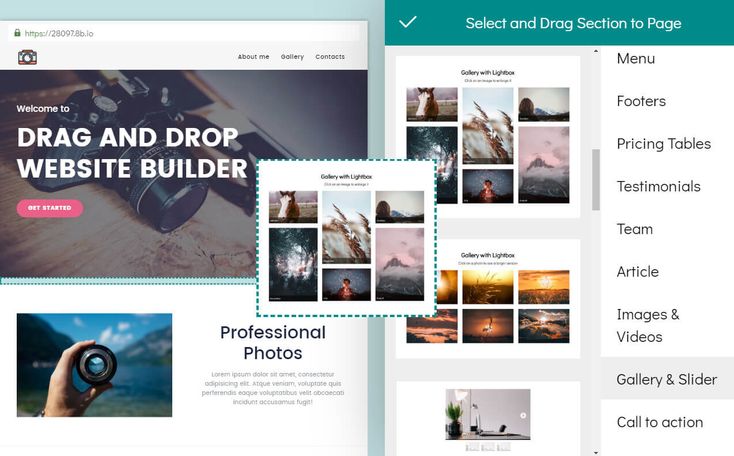
No-code platforms let people build functional apps, websites, and automated workflows using visual, drag-and-drop interfaces instead of writing traditional programming code. What used to require hiring a developer can now often be built directly by the person who understands the problem best.
What people are building without code
- Internal business tools for tracking inventory, projects, or customer requests
- Simple websites and landing pages for small businesses
- Automated workflows connecting different apps, like syncing form responses to a spreadsheet
- Mobile app prototypes to test an idea before investing in custom development
Why this matters for small businesses and solo founders
Hiring a developer or agency has traditionally been one of the biggest barriers to building a digital product. No-code platforms lower that barrier significantly, letting people validate ideas quickly and cheaply before committing to a larger, custom-built solution.
No-code doesn't eliminate the need for developers — it changes what the first version of an idea costs to build and test.
Where the limits show up
As a product grows more complex or needs highly specific functionality, no-code platforms can start to feel restrictive compared to custom code. Many successful products actually start on a no-code platform and transition to custom development once they've proven the underlying idea works.
Frequently asked questions
Can a no-code app really scale to thousands of users?
Many platforms now support genuine production scale, but performance and cost limits vary significantly by provider — it's worth checking a platform's scaling case studies before committing to it for a serious business.
What happens if I outgrow the no-code platform?
Migration paths differ by tool; some offer data export and API access that ease a transition to custom code, while others make you effectively start over, so it's worth checking this before building something critical.
Is no-code only for simple projects?
Not anymore — internal tools, MVPs, and even customer-facing apps with real transaction volume are increasingly built and run entirely on no-code stacks.