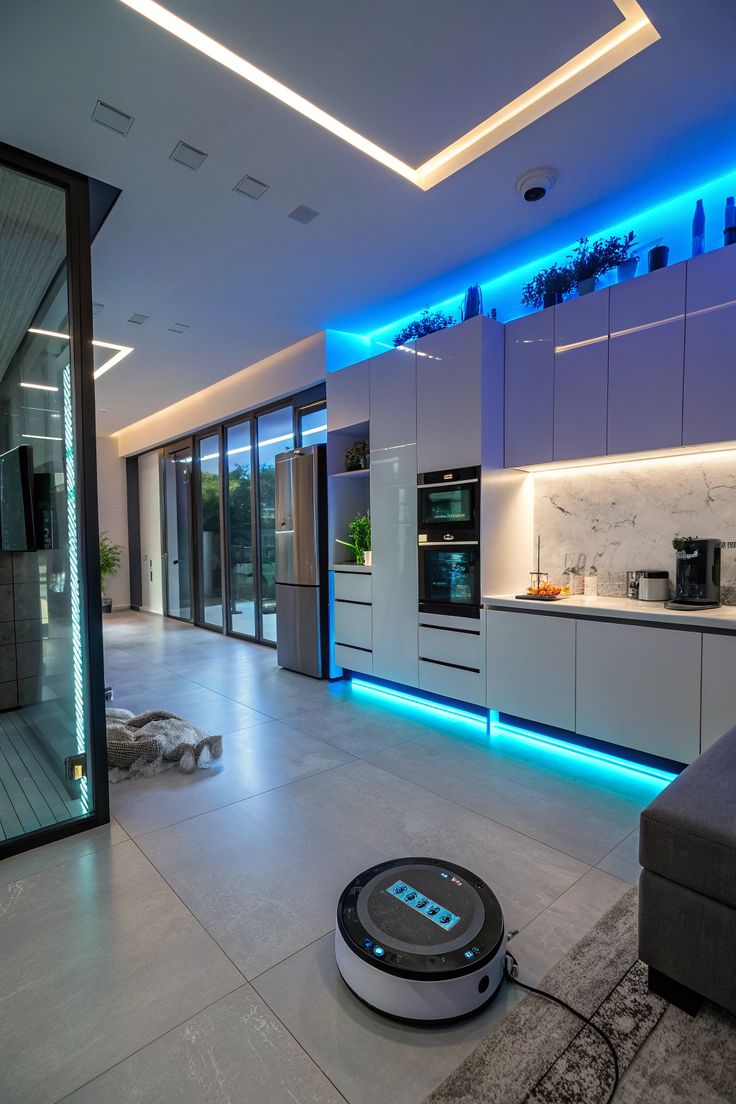
Smart home technology used to mean a handful of enthusiasts wiring together devices that didn't always talk to each other well. That's changed significantly, as standards have matured and setup has gotten dramatically simpler for the average household.
What's driving broader adoption
- Shared connectivity standards that let devices from different brands work together more reliably
- Voice assistants that make controlling a home hands-free and intuitive
- Lower prices on entry-level smart plugs, bulbs, and sensors
- Better energy monitoring that helps households actually reduce their utility bills
Where the real value shows up
Beyond convenience, automated routines are where smart homes tend to earn their keep — lights that turn off automatically when a room is empty, thermostats that adjust based on occupancy, and security cameras that only alert you to genuinely relevant motion instead of every passing car.
A word on privacy
Connected devices collect data by design, which makes it worth understanding what each device shares and with whom before installing it — particularly for cameras and voice assistants placed in private spaces. Reviewing privacy settings during setup, rather than skipping past them, is a small habit that pays off.
Where people get this wrong
- Buying devices from too many ecosystems. Mixing brands without checking for a common standard (like Matter) often means juggling three separate apps instead of one unified system.
- Ignoring the internet dependency. Many smart devices stop working entirely during an outage or ISP disruption unless they support local control.
- Underestimating setup time. Automations that "just work" in ads often need real trial and error to tune sensor sensitivity and avoid false triggers.