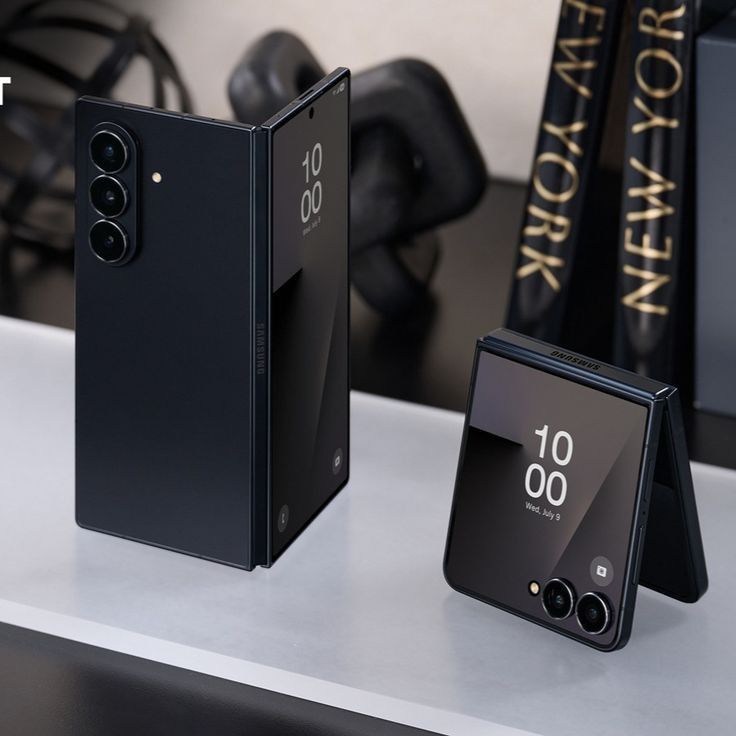
For most of the smartphone era, screen design has followed one consistent assumption: a fixed rectangle. Foldable devices break that assumption, and the ripple effects are reaching well beyond hardware into how apps themselves are designed.
The design challenges foldables introduce
- Apps need to adapt fluidly between a small folded screen and a larger unfolded one
- The crease in the middle of the screen affects how content should be laid out
- Multitasking becomes more useful on a larger folded surface, changing how people expect to use apps
- Battery and durability engineering has to account for a moving hinge, not just a solid frame
ADVERTISEMENT
Why manufacturers keep investing in the format
Foldables offer something phones have struggled to deliver otherwise: a genuinely larger screen without sacrificing pocketability. As the hinge technology matures and prices come down, foldable-friendly design is becoming less of a niche consideration for developers and more of a standard checkbox.
The category is still relatively young compared to the traditional smartphone, which means both the hardware and the software conventions around it are likely to keep evolving for years.
Quick checklist before buying a foldable
- Check the crease visibility and durability rating — this varies significantly between manufacturers and generations.
- Confirm which apps are actually optimized for the larger unfolded screen; many apps still just stretch a phone layout awkwardly.
- Weigh the added thickness and weight against the larger screen — foldables are still noticeably bulkier than flat phones in most cases.
- Look at battery life under the unfolded, larger-display use case specifically, since that's usually where it drops fastest.