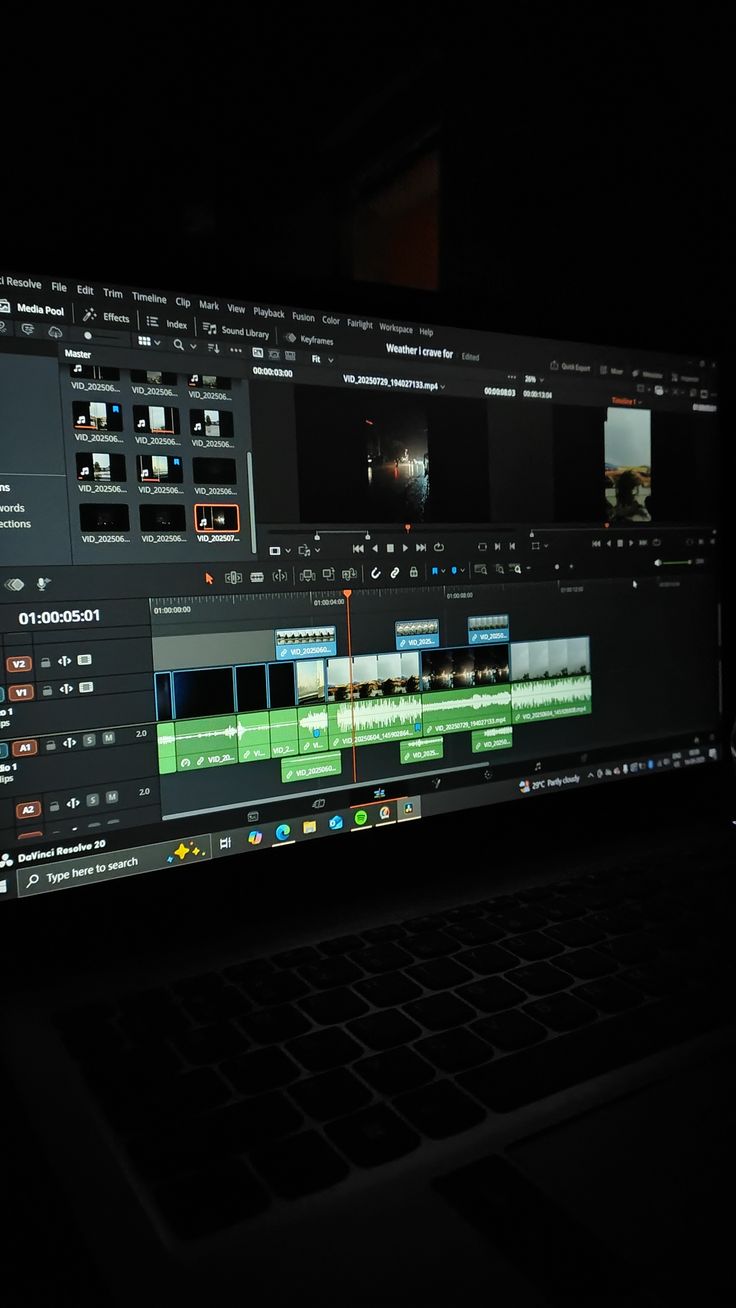
Video editing has traditionally been one of the more time-consuming parts of content creation — cutting dead air, syncing captions, matching pacing. A new generation of AI-powered editing tools is automating much of that grunt work, letting creators spend more time on the creative decisions and less on the technical ones.
What's actually being automated
- Automatic caption generation with reasonably accurate speech-to-text
- Silence and filler-word removal ('um', 'uh') across a whole recording
- Scene and highlight detection to surface the most engaging clips from long footage
- Auto-reframing horizontal video into vertical formats for social platforms
Why this matters for smaller creators
Professional editing used to require either specialized skills or a budget to hire someone. AI-assisted tools have lowered that barrier significantly, letting solo creators and small teams produce content that used to require a full editing pipeline.
What still needs a human touch
Pacing that matches a brand's personality, humor, and the overall narrative arc of a video are still things creators shape themselves. The tools handle repetitive technical work well, but the creative judgment about what makes a video actually engaging remains a human skill — AI just clears the runway to get there faster.
A real-world example
A solo YouTuber recording a 20-minute tutorial used to spend hours manually cutting out pauses, "umms," and dead air. With an AI editing tool that detects silence and filler words automatically, that same rough cut now takes minutes, leaving the creator time to focus on pacing, thumbnails, and the parts of editing that actually need a human's judgment — like deciding what's genuinely worth keeping.