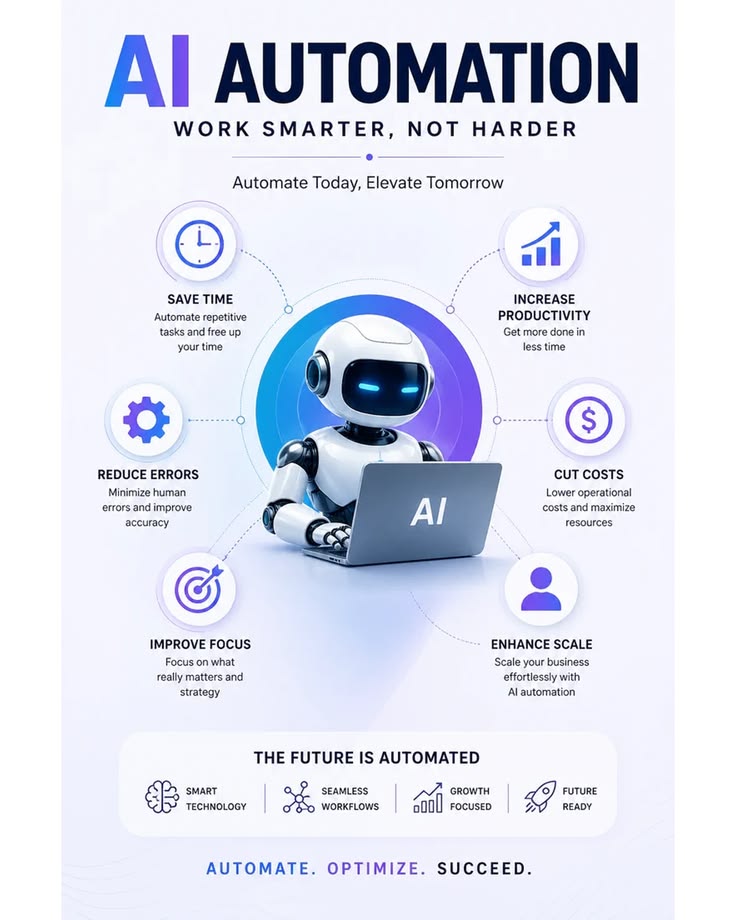
Writing software has always involved a lot of repetitive groundwork — boilerplate code, standard patterns, and small utility functions that every project seems to need. AI coding assistants have taken over much of that repetitive layer, letting developers focus more time on the actual logic and architecture that make their project unique.
What these tools do well
- Suggesting entire lines or blocks of code based on context, similar to a very advanced autocomplete
- Explaining unfamiliar code in plain language, which is especially useful when joining an existing codebase
- Generating test cases for existing functions
- Converting code from one programming language to another as a starting point
The learning curve it changes
For newer developers, these assistants can shorten the gap between 'I know what I want to build' and 'I know the exact syntax to build it,' though they work best alongside genuine understanding rather than as a substitute for it. Developers who understand the fundamentals get far more value out of an AI suggestion than someone blindly accepting whatever the tool proposes.
An AI coding assistant is closer to a fast, tireless collaborator than an autopilot — the developer still needs to know if the suggestion is actually correct.
Where caution is still needed
Generated code can look confident and still contain subtle bugs, security issues, or inefficient logic. Code review, testing, and understanding what a suggestion actually does before merging it remain essential parts of responsible development — AI accelerates the writing, not the responsibility for what ships.
Where developers get this wrong
- Accepting suggestions without reading them. AI-generated code often compiles and runs, but "runs" isn't the same as "correct" — it can quietly introduce logic errors or security gaps that only show up later.
- Skipping tests because the AI "seems confident." Confidence in the output has no relationship to correctness. Every AI-suggested function still needs the same test coverage as hand-written code.
- Letting the assistant write business logic it doesn't understand. AI tools are strongest at boilerplate and pattern-matching, weakest at decisions that depend on context only the team has — like edge cases specific to your product.
- Treating it as a replacement for code review. A second pair of human eyes still catches things an AI assistant won't, especially around intent and long-term maintainability.