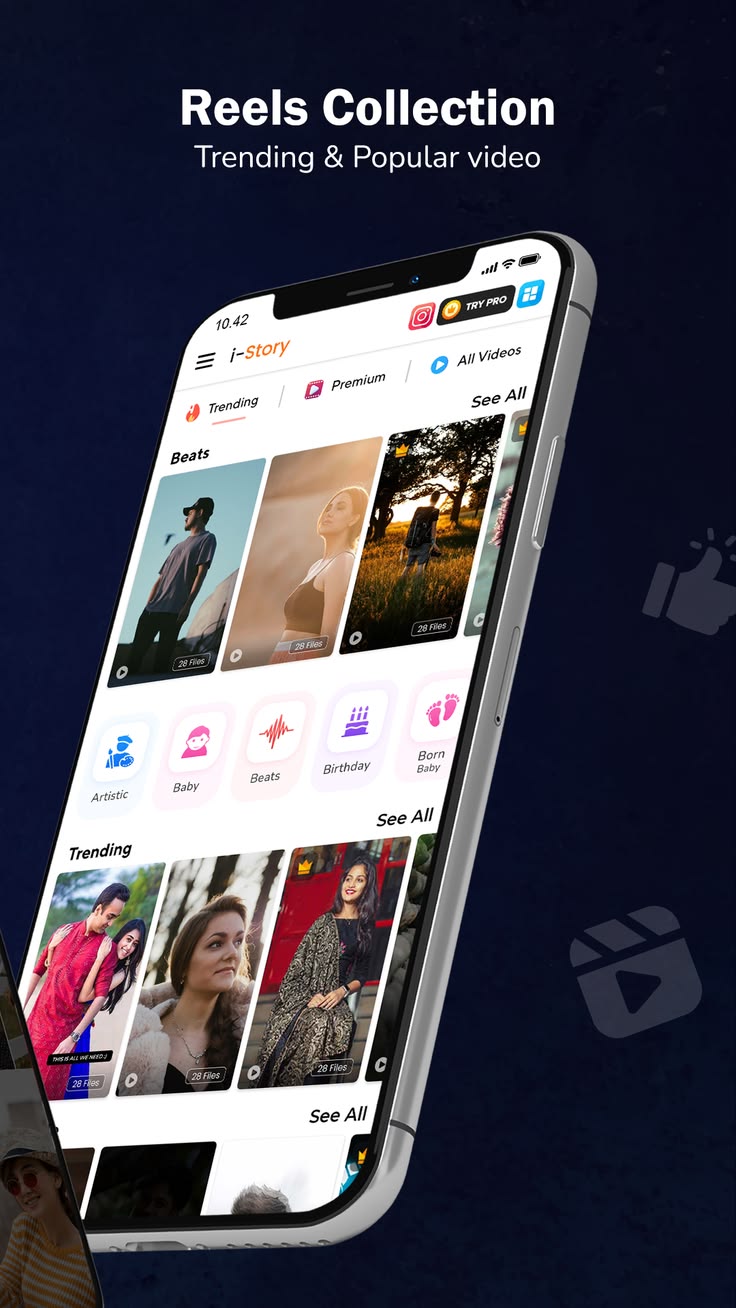
A decade ago, online video mostly meant sitting through a clip of several minutes or longer. Short-form video changed that expectation entirely, training an enormous audience to expect a complete idea, story, or piece of entertainment within fifteen to sixty seconds.
Why the format spread so fast
- Lower production barriers — a phone and a decent idea is often enough to start
- Algorithm-driven discovery that surfaces content to new audiences without needing an existing following
- A viewing habit that fits naturally into small pockets of free time throughout the day
- Fast feedback loops that let creators quickly learn what resonates with viewers
The effect on how content gets made
Creators across nearly every platform have had to rethink pacing, hooking a viewer's attention in the first few seconds, and delivering value quickly — skills that differ significantly from the slower-paced storytelling that longer-form video allowed.
Short-form video didn't just change what people watch — it changed what creators had to become good at to be seen at all.
What this means for creators starting out
The format has genuinely lowered the barrier to reaching an audience, since a single well-made short video can reach far more people than an entire channel of longer content used to, particularly for new creators without an existing following. That accessibility comes with its own challenge — the sheer volume of content competing for the same brief windows of attention.
Quick checklist: is your attention span actually shrinking, or is it the format?
- Notice whether you struggle with long-form content specifically after binge-watching short clips, or in general — the effect tends to be context-specific, not universal.
- Check whether you can still read a full article or book when you deliberately remove short-form apps for a few days.
- Pay attention to whether you're finishing short videos or scroll-skipping mid-clip — skipping is a stronger sign of habit-driven consumption than genuine interest.